Location: Home >> Detail
Crop Breed Genet Genom. 2026;8(1):e260006. https://doi.org/10.20900/cbgg20260006
 ,
Chhaya Singh 2 ,
Krishnagowdu Saravanan 3,* ,
Lakshmanan Archana Devi 4
,
Chhaya Singh 2 ,
Krishnagowdu Saravanan 3,* ,
Lakshmanan Archana Devi 4
1 Department of Botany, Bharathiar University, Coimbatore 641 046, Tamil Nadu, India
2 Department of Botany, Government Post Graduate College, Thalisain (Pauri Garhwal) 246 285, Uttarakhand, India
3 Post Graduate and Research Centre in Biotechnology, School of Life Sciences, Arignar Anna College (Arts and Science), Krishnagiri 635 115, Tamil Nadu, India
4 Department of Zoology, Thanthai Hans Roever College (Autonomous), Perambalur 621 220, Tamilnadu, India
* Correspondence: Krishnagowdu Saravanan
Climate change presents an unprecedented threat to global food security by adversely affecting the productivity, nutritional quality, and resilience of staple crops such as rice, wheat, and maize. This review systematically examines the multifaceted impacts of climate stressors including heat extremes, water scarcity, soil degradation, and shifting pest and pathogen dynamics on crop production. It synthesizes advances in crop improvement strategies aimed at enhancing stress tolerance, spanning conventional breeding, molecular and genomic breeding, biotechnological innovations, epigenetic modifications, and plant-microbiome engineering. The integration of these approaches, combined with climate-smart agronomy and emerging digital technologies, offers a promising pathway to develop climate-resilient agricultural systems. Despite significant progress, critical challenges remain in germplasm characterization, multi-stress tolerance breeding, genotype-by-environment interactions, and equitable technology adoption, particularly in low- and middle-income countries. This review highlights the necessity of a systems-level framework that unites breeding innovations, sustainable agricultural practices, and socio-economic interventions to safeguard food production and support smallholder livelihoods under a changing climate. Advancing such integrative solutions will be essential for resilient and sustainable food systems in the face of ongoing environmental pressures.
Climate change represents a profound challenge to global food security, exerting particularly severe pressures on major staple crops such as rice, wheat, and maize. While elevated atmospheric CO2 may temporarily promote wheat and maize yields in some temperate regions, the overall outlook for equatorial zones is bleak due to rising temperatures and increasing water scarcity [1]. Rice production is especially vulnerable; key rice-producing countries face significant yield declines spurred by heat stress and reduced irrigation availability [2]. For instance, projections for the rice–wheat system in Pakistan indicate mid-century yield reductions of 12–17.2% for rice and 12–14.1% for wheat [3,4]. Globally, temperature extremes appear to influence crop yield anomalies more strongly than precipitation variability [2]. Furthermore, climate-induced disruptions to planting and harvesting calendars increase the complexity of managing cropping systems [3]. To maintain productivity, climate-smart strategies such as adjusting sowing dates, breeding resilient cultivars, and optimizing water and nutrient management are gaining prominence [1,3,5]. In addition to yield impacts, climate change accelerates soil degradation processes including erosion, salinization, and desertification that presently affect over one-third of global arable land [6,7]. These trends are exacerbated by shifting temperature and precipitation patterns, as well as sea-level rise [4]. In addition to physical and chemical soil degradation, climate change accelerates the mobilization and plant uptake of toxic elements such as arsenic, cadmium, and lead, thereby posing serious threats to crop productivity and food safety. Recent analyses emphasize that transforming toxic element remediation through integrated breeding, phytoremediation, and soil management strategies is a necessary pathway for achieving 21st-century food security, reinforcing the need to align climate-smart crop breeding with management of degraded and contaminated soils [8]. Advances in AI-enabled remote sensing provide improved tools for monitoring soil health, enabling better-informed mitigation efforts [4]. Conservation agriculture, integrated nutrient management, and soil-water conservation are critical strategies for sustaining soil productivity over the long term. In regions affected by salinity, deploying tolerant genotypes alongside soil amendments and bioremediation not only enhances crop performance but also promotes carbon sequestration and resource use efficiency [9]. Climate change also remodels plant–pathogen and plant-insect interactions by influencing pathogen life cycles, virulence, and geographic distribution [10–12]. Warmer temperatures and increased CO2 frequently intensify pathogen spread and expose new areas to emerging diseases. Similarly, insect pests undergo shifts in reproduction, feeding, and survival patterns [13]. Although elevated CO2 can reduce plant nutritional quality, potentially suppressing some pests, others compensate by increased feeding or population growth. Strengthening integrated pest management and developing resilient crop varieties are fundamental to addressing these evolving biotic threats [5].
The severity of climate impacts is particularly acute in regions like Sub-Saharan Africa (SSA), where rainfed agriculture predominates and adaptive capacity is limited. Staple crop yields in SSA are projected to decline by 10 to 20% by 2050, including a 15% decline in Ethiopian maize production [14,15]. South Asia faces similar challenges, with rice and wheat yields expected to drop by 10 to 15% [14] These declines exacerbate food insecurity and socioeconomic pressures on vulnerable smallholder populations [16]. Climate-smart agriculture (CSA) approaches including drought-tolerant crops, sustainable intensification, water harvesting, small-scale irrigation, and natural resource conservation offer promising adaptation routes [17]. Effective implementation necessitates supportive policies, financial incentives, multi-sector partnerships, and robust monitoring frameworks [18–20]. Central to adaptation efforts are climate-resilient crop varieties that maintain stable yields under drought, heat, salinity, and other stressors [21,22]. Both conventional breeding and advanced technologies such as molecular breeding and gene editing contribute critical advancements, though efficiency and genetic gains vary by stress condition [22]. Case studies from Mali, India, and several African regions demonstrate that adoption of such varieties improves food security, income, and livelihood resilience [23,24]. However, adoption remains uneven due to educational, institutional, and socioeconomic factors [24,25], underlining the need for location-tailored interventions.
Beyond ensuring yield stability, climate-resilient varieties contribute to biodiversity and genetic resource conservation by promoting diversified cropping systems [18]. Achieving an optimal balance between resilience, nutritional quality, and consumer preferences requires integrating smart breeding, gene editing, precision agriculture, artificial intelligence, and remote sensing technologies [23]. These approaches complement sustainable practices such as reduced tillage and crop rotations, supporting sustainable intensification efforts [24]. As climate change increasingly influences breeding efficiency and genetic gain, integration of high-throughput phenotyping, genotyping, and enviro-typing becomes essential to accelerate development of climate-ready cultivars [18,25]. Additionally, understanding how biofortified crops respond to climatic variability will be critical to optimizing both productivity and nutritional outcomes under future conditions [23].
To address the multifaceted impacts of climate change on crops, an integrated crop improvement framework is essential. This framework links three core components: (1) the abiotic and biotic climate stressors affecting crops; (2) the complex plant stress response mechanisms triggered by these stresses; and (3) a portfolio of crop improvement strategies that include conventional breeding, molecular breeding techniques, advanced biotechnological tools, and emerging approaches such as epigenetics and microbiome engineering. Each of these components complements the others and contributes uniquely to enhancing crop resilience. Traditional breeding remains foundational within this integrated framework, aiming to accumulate stress tolerance traits through controlled hybridization and selection. However, due to its limitations especially in speed and precision it is increasingly augmented by molecular breeding strategies such as marker-assisted and genomic selection. These approaches allow more targeted introgression of adaptive alleles, forming a crucial link from conventional methods to modern biotechnology.
Although numerous reviews have examined individual components of climate-resilient crop development such as conventional breeding, molecular breeding, genome editing, or microbiome-based interventions most address these approaches in isolation or within narrowly defined technological domains [26,27]. A critical conceptual gap therefore remains in understanding how these diverse tools can be strategically integrated into coherent, end-to-end crop improvement pipelines that operate across heterogeneous target populations of environments. This review addresses this gap by advancing a systems-level framework that explicitly integrates classical breeding, molecular and genomic breeding, biotechnological interventions, epigenetic regulation, and plant-soil-microbiome engineering. Beyond cataloguing technologies, we critically evaluate how their coordinated deployment can accelerate genetic gain, enhance multi-stress resilience, and improve yield stability under climate variability. The choice of crop improvement strategy under climate change depends on trait complexity, crop biology, and target environments. Classical breeding is most suitable for traits with high heritability and clear phenotypic expression. Molecular breeding approaches such as marker-assisted and genomic selection are effective for complex polygenic traits, including drought and yield stability. Genome editing is best applied to traits governed by major genes or key regulatory pathways, while microbiome-based interventions provide complementary support in marginal or degraded soils. This decision logic forms the basis of the integrative framework presented in this review. The integrated conceptual framework highlighting the synergy among breeding, molecular interventions, agronomic management, and microbiome engineering is illustrated in Figure 1.
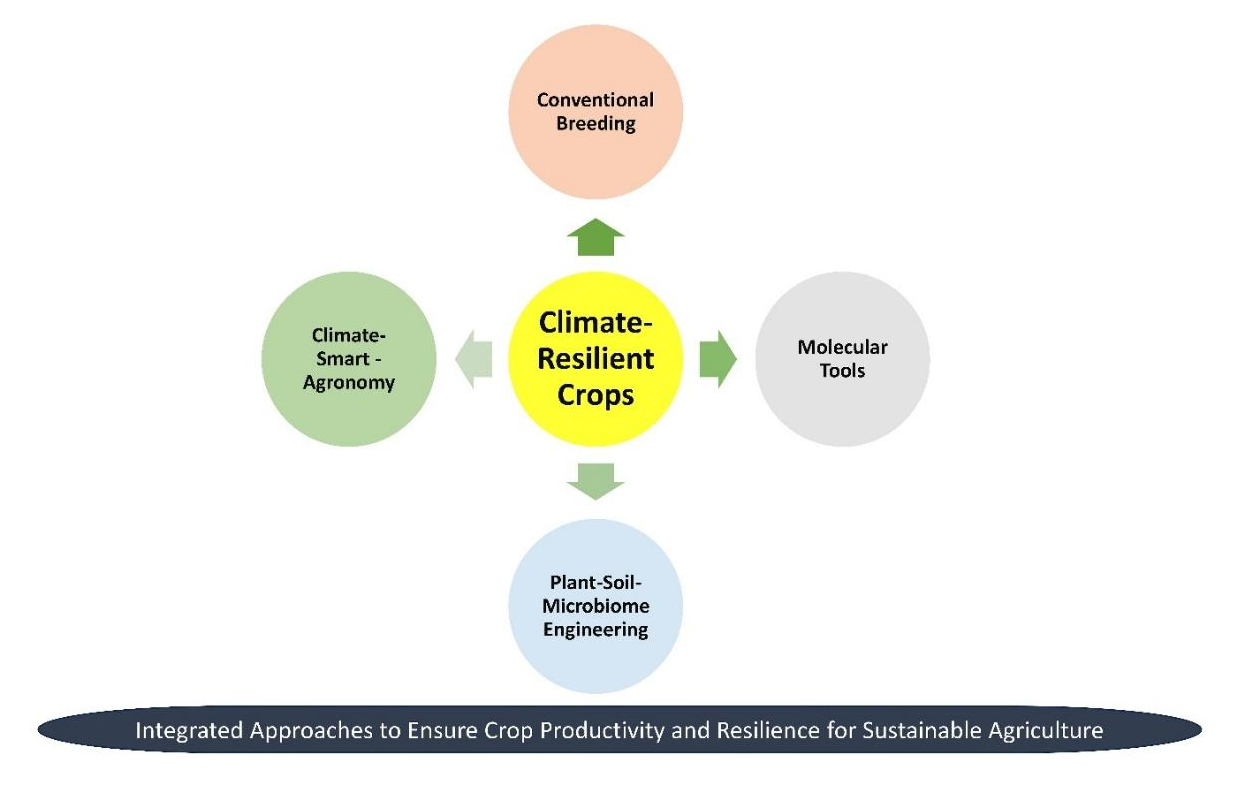 Figure 1. Framework of breeding, management, and microbiome for resilient crops.
For conceptual clarity, this review distinguishes three major categories of crop improvement approaches. Classical breeding relies on phenotype-based selection and hybridization using naturally occurring genetic variation and typically involves long breeding cycles. Molecular breeding integrates DNA-based tools such as molecular markers, QTL mapping, and genomic selection to accelerate and refine selection decisions. Biotechnological interventions involve direct manipulation of plant genomes or gene expression through genetic transformation, genome editing, RNA interference, and tissue culture, enabling rapid and targeted modification of stress-responsive traits [28,29].
Conventional Breeding StrategiesDrought and salinity remain among the most critical abiotic stresses limiting global crop productivity [30,31]. Classical breeding methods such as introduction, hybridization, multiline breeding, backcrossing, pedigree selection, recurrent mass selection, and mutation breeding have been extensively employed to improve tolerance to these stresses [32–34]. While these approaches have successfully generated stress-tolerant cultivars, they tend to be slow, resource-intensive, and lack precision in manipulating complex traits associated with stress responses [30,34]. Recent advances in molecular and genomic technologies increasingly complement traditional breeding. Approaches like marker-assisted selection, genomic selection, transcriptomics, and gene editing facilitate more precise identification and transfer of stress-responsive genes, overcoming many limitations of classical methods [35,36]. Crop wild relatives and landraces offer valuable reservoirs of adaptive genetic diversity; however, their direct use requires pre-breeding to introduce beneficial alleles without compromising agronomic performance [37,38]. Additionally, incorporating drought-tolerant underutilized or semi-domesticated species provides opportunities to diversify production systems and strengthen resilience to water scarcity [39]. Overall, integrating classical breeding with modern genomic tools presents a robust pathway to develop climate-resilient crop varieties, thereby enhancing global food security under changing environmental conditions [32].
Hybridization and Selection TechniquesHybridization and selection remain central to improving complex traits across many crop species. Backcross breeding facilitates the introgression of specific genes into elite varieties while preserving most of the recipient genome [37]. Wide hybridization broadens the genetic base by introducing traits from distantly related species, though it often faces challenges such as reproductive barriers and reduced fertility [38]. Incorporating molecular techniques such as marker-assisted selection (MAS) and genomic selection significantly enhances breeding accuracy and efficiency [40]. For self-pollinated crops such as wheat, hybrid breeding strategies supported by reciprocal recurrent genomic selection offer a promising two-component framework for simultaneous population improvement and product development, thereby increasing long-term genetic gain [41]. MAS and marker-assisted backcrossing (MABC) have demonstrated success in improving abiotic stress tolerance. Notable examples include the introgression of drought-tolerance genes into maize and rice [42,43] and the transfer of multiple stress-resistance genes in rice [28]. Doubled haploid (DH) technology accelerates cultivar development by rapidly fixing targeted traits and reducing required population sizes [44]. Together, hybridization, MAS, and DH technologies enhance the precision and speed of crop improvement programs, especially for complex polygenic traits like abiotic stress tolerance.
Limitations of Traditional BreedingDespite its foundational role, traditional breeding faces significant limitations in meeting modern agricultural challenges. Many commercial crops suffer from a narrow genetic base due to domestication and intensive selection, limiting their adaptability to emerging climate stresses [45,46]. Combining multiple stress-tolerant traits into a single genotype is challenging, and long breeding cycles slow the release of improved cultivars [36]. In developing countries, constraints such as insufficient infrastructure, limited access to advanced breeding technologies, and skilled personnel shortages further restrict the effectiveness of conventional breeding programs [45] Consequently, integrating modern tools has become essential. Techniques like molecular markers, CRISPR-based gene editing, AI-assisted selection, and speed breeding are increasingly facilitating rapid and targeted crop improvement to address climate challenges [46,47] Crop wild relatives and landraces continue to be critical sources of novel adaptive alleles but require structured pre-breeding pipelines for effective usage [36]. In summary, while traditional breeding remains indispensable, its limitations necessitate the integration of genomic, phenomic, and computational advances to enhance efficiency and support the development of climate-resilient crops. The Table 1 emphasis the comparative overview of different crop improvement strategies. In practical breeding programs, integration is increasingly operationalized through sequential and parallel workflows that combine phenotyping, genomics, biotechnology, and agronomic validation. Typically, stress-adaptive alleles are first identified using high-throughput phenotyping and genomic selection within defined target populations of environments. Marker-assisted selection or genomic selection is then used to enrich elite breeding populations, followed by genome editing to fine-tune key regulatory genes governing stress responses. In parallel, candidate genotypes are evaluated under microbiome-assisted management, including seed or soil application of plant growth-promoting rhizobacteria or mycorrhizal consortia, to enhance stress buffering at the root–soil interface. These integrated components are ultimately validated through multi-environment trials under climate-smart agronomic practices to ensure that genetic gains translate into stable field performance [24,48].
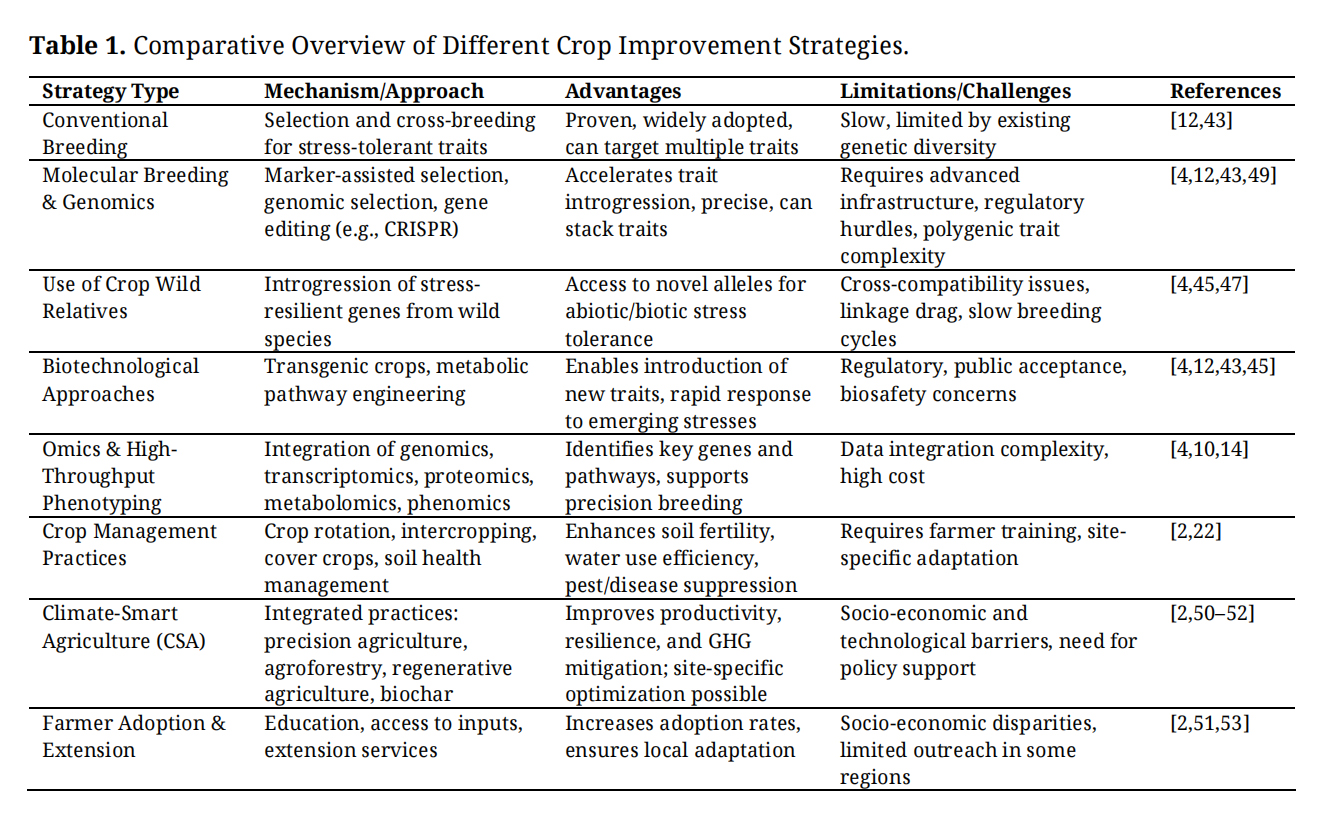 Table 1. Comparative Overview of Different Crop Improvement Strategies.
Reactive oxygen species (ROS) and other reactive molecular species serve as central signaling hubs in plant stress perception and defense. While uncontrolled accumulation leads to oxidative damage, tightly regulated production of ROS mediates stress signaling, transcriptional reprogramming, hormonal cross-talk, and epigenetic modifications. Recent syntheses highlight the multifaceted roles of reactive species in integrating abiotic and biotic stress cues, providing a mechanistic foundation for molecular breeding, genome editing, and biotechnological strategies aimed at enhancing stress resilience [54]. Biotechnological tools including genetic transformation, gene editing, RNA interference, and tissue culture provide powerful means to directly manipulate stress tolerance mechanisms with high precision and speed. These tools address the constraints of traditional breeding and complement molecular marker-based approaches, enabling the rapid development of new cultivars with enhanced abiotic and biotic stress resistance.
Plant Tissue Culture for Rapid PropagationPlant tissue culture provides essential techniques for developing stress-tolerant crops that contribute to addressing global food security challenges. In vitro methods enable rapid screening and selection under controlled conditions, facilitating the identification of genotypes tolerant to abiotic stresses such as drought and salinity [53,55] Somatic embryogenesis serves as a valuable model for studying cell totipotency and plant development, often inducible through abiotic stress treatments, thus providing insights into plant ontogeny [49] These technologies support rapid propagation of genetically uniform plants and the regeneration of lines tolerant to both abiotic and biotic stresses. Additionally, in vitro mutation techniques enable the creation of novel stress-resistant variants. Compared to conventional breeding, tissue culture offers advantages such as reduced time and space requirements, cost-effectiveness, and real-time visualization of physiological and biochemical responses under stress [53,55]. The potential of tissue culture for crop improvement also aligns with environmental sustainability goals. Table 2 summarizes key biotechnological approaches for enhancing crop stress resilience.
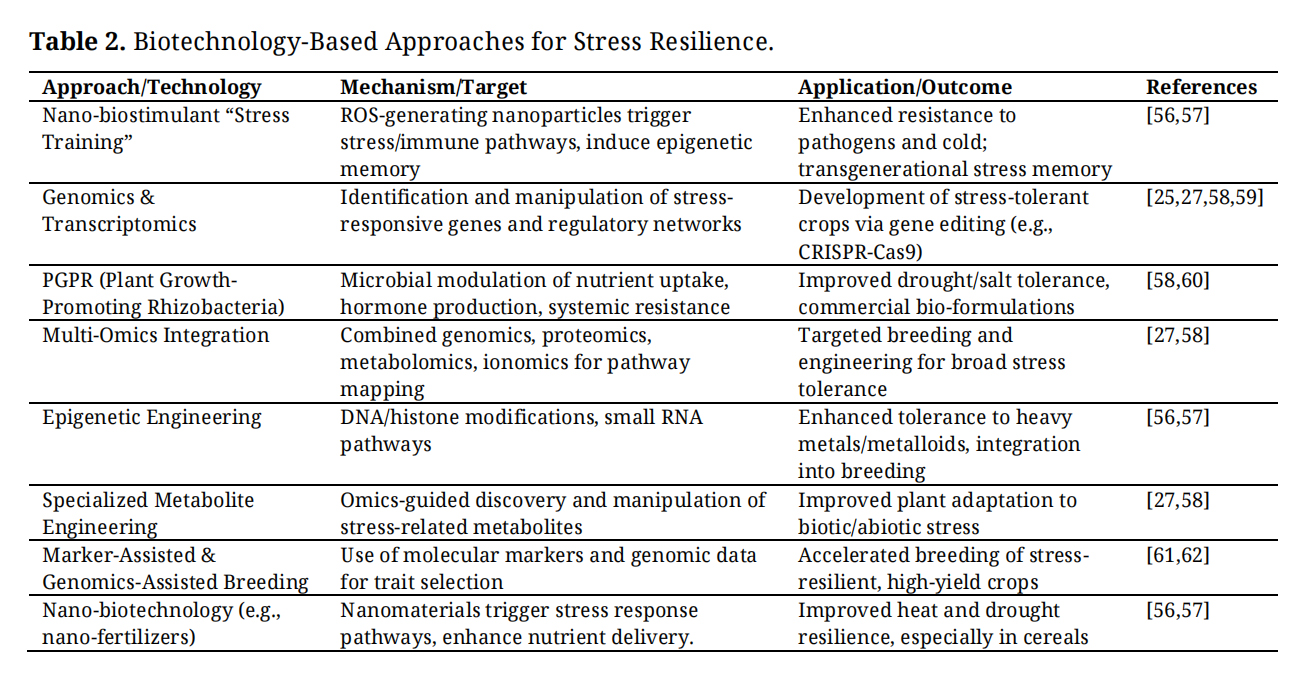 Table 2. Biotechnology-Based Approaches for Stress Resilience.
Transgenic technology has proven effective in improving plant stress tolerance through the introduction of genes involved in osmoprotectant biosynthesis. For example, the barley HVA1 gene has been successfully transferred into maize and rice, leading to enhanced drought and salt tolerance [59,63]. Plants expressing these transgenes exhibit higher relative water content, increased biomass, and improved survival under stress conditions. Metabolic engineering of osmoprotectant pathways, such as those synthesizing polyols and quaternary ammonium compounds, has produced modest but significant gains in abiotic stress tolerance [64]. Glycine betaine, a quaternary amine osmoprotectant, has been a major focus of genetic manipulation efforts, with three distinct biosynthetic pathways employed to transform betaine-deficient plants into betal-accumulators, thereby improving their stress tolerance [65].
Role of RNA Interference (RNAi) in Crop ImprovementRNA interference (RNAi) represents a precise gene silencing technology with growing utility in crop improvement. RNAi has been utilized to enhance resistance against biotic and abiotic stresses, improve nutritional quality, and modify diverse plant traits [66–68] For instance, RNAi-based approaches have been proposed to develop virus-resistant crops, modulate hormone biosynthesis pathways to improve stress adaptation, and alter secondary metabolite production for enhanced resilience [69]. Compared with conventional transgenics, RNAi may gain broader societal acceptance since it typically avoids introducing foreign proteins [56]. Nonetheless, challenges remain, such as the need for thorough risk assessments to evaluate off-target effects and ensure biosafety [68]. Despite these limitations, RNAi constitutes a promising tool for global food security and sustainable crop production [67]. Continued research is essential to deepen our understanding of RNAi pathways and broaden their application in plant development and stress tolerance [69]. Integrated approaches are already applied in major crops. In rice, marker-assisted breeding and genomic selection have been used to combine drought, salinity, and submergence tolerance, with recent genome-editing approaches improving yield stability under stress. In maize, genomic selection coupled with high-throughput phenotyping has accelerated drought-tolerant variety development, particularly in Africa. In wheat, speed breeding combined with genomic selection and doubled haploids has reduced breeding cycles for heat-tolerant cultivars. These examples demonstrate practical integration of breeding and biotechnological tools.
Beyond genetic modifications, epigenetic mechanisms and plant microbiome interactions offer additional layers of complexity and opportunity in crop improvement. Epigenetic changes can modulate gene expression in response to environmental cues and confer stress “memory,” while beneficial microbiomes improve nutrient acquisition, hormone regulation, and protection from stresses. Integrating these emerging strategies expands the toolbox for building climate-resilient agricultural systems.
Epigenetic Modifications and Stress MemoryEpigenetic modifications play a crucial role in plant resilience by dynamically regulating gene expression in response to abiotic stresses such as drought, salinity, temperature extremes, and UV-B radiation [70]. Mechanisms including DNA methylation and histone modifications allow plants to rapidly adjust to stress conditions and develop “stress memory,” enabling faster and more robust responses upon repeated exposures [71]. This memory can sometimes be stable and heritable, persisting through cell divisions and even across generations, thereby preparing progeny for similar stresses [72,73]. Epigenetic regulation contributes to stress tolerance in major crops such as wheat (Triticum aestivum) and maize (Zea mays) [74]. Recent advances, including CRISPR/Cas9-based epigenome editing, offer powerful tools for studying and manipulating epigenetic marks, opening new avenues for crop improvement [74]. Techniques such as epigenetic recombinant inbred lines (epiRILs), epimutagenesis, and epigenome-wide association studies show promise for developing stress-resilient varieties. However, translating these findings from laboratory conditions to field environments remains a significant challenge [74,75]. Harnessing epigenetic mechanisms could revolutionize breeding by providing an additional layer of adaptation to climate stress beyond DNA sequence variation.
Role of Plant-Microbiome InteractionsPlant interactions with microbiomes that inhabit the rhizosphere, phyllosphere, and endosphere are increasingly recognized for their importance in enhancing plant stress resilience. Beneficial microorganisms facilitate plant growth and tolerance by mechanisms such as nutrient acquisition, hormone modulation, and enhancement of antioxidant systems [76]. Chemical signalling in the rhizosphere mediates complex relationships, where diverse metabolites act as communication agents between plants and microbes [77]. Plant growth-promoting rhizobacteria (PGPR) and mycorrhizal fungi (MF) contribute to abiotic and biotic stress tolerance by regulating hormone levels, improving nutrient uptake, and inducing systemic resistance [76,78]. The composition and assembly of plant microbiomes are critical for disease resilience and environmental stress adaptability [79]. Microbiome engineering and bioformulated microbial products are emerging as promising sustainable agricultural practices that enhance crop productivity under adverse conditions [77,79].
Application of Beneficial Microbes in Crop ResilienceBeneficial microbes such as PGPR, mycorrhizae, endophytes, and cyanobacteria improve crop resistance to climate change-induced stresses. They promote drought tolerance through osmotic adjustment, modification of root architecture, and activation of antioxidant defences [80]. These microbes also enhance nutrient uptake, boost growth and productivity, and mitigate soil problems such as salinity and bacterial contamination [81]. Strategies like soil and seed inoculation, bioaugmentation, and microbial consortia aim to engineer plant-associated microbiomes to reduce abiotic stresses [80]. Despite their sustainability and alignment with UN Sustainable Development Goals, practical application is limited by environmental variability, scalability challenges, and regulatory barriers [80]. Future research focusing on microbial plasticity and novel intervention technologies will further enhance plant resilience. This low-cost, eco-friendly approach is particularly promising for developing country contexts [56,82]. Recent advances indicate that consistent performance of microbiome-based products requires rational design principles rather than empirical inoculation alone. Emerging strategies include the development of synthetic microbial consortia with complementary functional traits, optimized carrier formulations that improve shelf life and root colonization, and context-specific inoculants tailored to soil properties, climate conditions, and crop genotype. Integrating microbiome profiling with host genotype selection is increasingly recognized as essential to reduce variability and enhance reproducibility of microbial performance across environments [78–80]. Epigenetic approaches, including stress memory and epigenome editing, are experimentally promising but currently limited by challenges in stability and field predictability. In contrast, several microbiome-based products, particularly plant growth-promoting rhizobacteria and mycorrhizal inoculants, are already scalable, although their performance remains environment-specific. Recognizing this distinction is essential for realistic deployment of climate-resilient technologies.
Genome editing technologies, including CRISPR, offer transformative potential for developing climate-resilient and nutritionally improved crops [83,84]. However, global regulatory frameworks remain fragmented and inconsistent. Some countries regulate genome-edited crops similarly to genetically modified organisms (GMOs), while others adopt more lenient policies [84,85]. This regulatory ambiguity, coupled with societal and ethical concerns, limits the commercialization and adoption of genome-edited crops [83]. In Africa, initiatives are underway to develop genome-edited staple crops with enhanced biotic and abiotic stress tolerance, supported by emerging biosafety guidelines in countries such as Nigeria and Kenya [86]. Clear, science-based regulations and inclusive stakeholder engagement are essential to address public concerns and facilitate responsible deployment of genome editing technologies [83,85]. Regulatory heterogeneity across countries and public acceptance strongly influence the deployment of genome-edited crops. Early integration of regulatory considerations and stakeholder engagement is therefore essential for successful translation into practice.
Adaptation Strategies for Small-Scale FarmersParticipatory Plant Breeding (PPB) represents a vital approach to develop climate-resilient crops tailored to the preferences and needs of smallholder farmers [87,88]. PPB fosters collaboration among breeders, farmers, and relevant stakeholders, integrating conventional and molecular breeding tools to enhance local adaptation [87]. Effective breeding for climate resilience requires species- and region-specific analyses, targeting traits such as drought tolerance and water-use efficiency [21,89]. Key factors influencing adoption include extension services, education, access to inputs, and socio-economic conditions [21]. Combining high-tech centralized breeding with decentralized participatory approaches holds promise for accelerating the development and adoption of climate-resilient cultivars [88]. Institutional support, policy reforms, and increased funding for climate change research are critical for realizing the full potential of PPB [87,89].
Future Directions in Climate-Resilient AgricultureRecent advances in multi-omics technologies and gene editing have revolutionized climate-resilient crop breeding. Integrating genomics, transcriptomics, proteomics, metabolomics, and phenomics facilitates predictive modeling to improve stress tolerance based on genotype-to-phenotype associations [90]. Gene editing tools such as CRISPR/Cas9, base editors, and prime editors enable precise modification of genes involved in drought, heat, and salt tolerance [91]. Multi-omics approaches also uncover novel genetic targets to improve tolerance to soil acidity and nutrient imbalances [92]. The integration of genomics and phenomics streamlines breeding programs through high-throughput genotyping and phenotyping, enhancing trait mapping efficiency. Novel field phenomics platforms, including pheno-net and pheno-mobile, enable multiscale phenotypic data collection for germplasm characterization beyond controlled trials [48]. Together, these integrated tools and approaches hold immense potential for developing climate-resilient crops, contributing to global food security amid increasing environmental pressures.
Climate change continues to impose unprecedented pressures on global food systems, threatening crop productivity, nutritional quality, and the livelihoods of millions of smallholder farmers. As extreme temperatures, shifting precipitation patterns, soil degradation, and evolving pest-pathogen dynamics accelerate, the need for climate-resilient agricultural systems has become urgent and unavoidable. This review highlights that no single strategy is sufficient; instead, sustainable crop improvement must be propelled by the strategic integration of conventional breeding, advanced molecular tools, precision phenotyping, biotechnology, epigenetic innovations, and microbiome-based interventions. Traditional breeding remains foundational, yet its limitations particularly long selection cycles and dependence on natural genetic variability necessitate the adoption of modern molecular strategies. Marker-assisted selection, genomic selection, speed breeding, doubled haploids, and CRISPR/Cas-based genome editing offer unprecedented precision and efficiency for deploying desirable stress-resilience traits. Complementing these tools, plant-soil-microbiome engineering provides an ecologically sound pathway to enhance nutrient use efficiency, hormonal regulation, and tolerance to abiotic and biotic stressors. Simultaneously, climate-smart agronomic practices, digital agriculture, and remote-sensing technologies enhance farm-level adaptability and decision-making. Despite these advancements, significant gaps remain particularly in germplasm characterization, multi-stress tolerance breeding, genotype × environment × management (G × E × M) interactions, and equitable adoption of climate-resilient technologies in low- and middle-income countries. Strengthening cross-disciplinary collaboration, farmer-centric extension systems, supportive policy environments, and investments in research infrastructure will be crucial to achieving large-scale impact. Ultimately, safeguarding future food security requires a holistic, systems-level approach that unites breeding innovations, biotechnology, sustainable agronomy, and socio-economic interventions. By leveraging these integrated strategies, agricultural systems can be transformed to withstand climate extremes while ensuring productivity, resilience, and sustainable livelihoods for generations to come.
This comprehensive, integrated framework emphasizes the need for combining diverse breeding, biotechnological, and ecological approaches within climate-smart management practices. Only through such multi-disciplinary integrationsupported by enabling policies, robust research infrastructure, and inclusive extension systemscan agricultural systems adapt effectively to ongoing and future climate challenges, securing food production and livelihoods globally.
No new data were generated or analyzed in this study. This article is a review based on previously published literature, and all information supporting the conclusions is included in the manuscript.
Conceptualization, KS.LAD and ME; methodology, KS and LAD; investigation, ME and CS; resources, KS; writing—original draft preparation, ME and KS; writing—review and editing, KS and LAD; visualization, LAD; supervision, KS; project administration, KS. All authors have read and agreed to the published version of the manuscript.
The authors declare that they have no conflicts of interest.
This research received no external funding.
The authors, Krishnagowdu Saravanan and Lakshmanan Archana Devi, acknowledge their respective institutions: Post Graduate and Research Centre in Biotechnology, Arignar Anna College, Krishnagiri, Tamil Nadu, India, and the Department of Zoology, Thanthai Hans Roever College (Autonomous), Perambalur, Tamil Nadu, India—for providing access to library resources, literature databases, and academic guidance that facilitated the preparation of this review.
1.
2.
3.
4.
5.
6.
7.
8.
9.
10.
11.
12.
13.
14.
15.
16.
17.
18.
19.
20.
21.
22.
23.
24.
25.
26.
27.
28.
29.
30.
31.
32.
33.
34.
35.
36.
37.
38.
39.
40.
41.
42.
43.
44.
45.
46.
47.
48.
49.
50.
51.
52.
53.
54.
55.
56.
57.
58.
59.
60.
61.
62.
63.
64.
65.
66.
67.
68.
69.
70.
71.
72.
73.
74.
75.
76.
77.
78.
79.
80.
81.
82.
83.
84.
85.
86.
87.
88.
89.
90.
91.
92.
Elankumaran M, Singh C, Saravanan K, Archana Devi L. Integrated Breeding and Biotechnological Strategies for Climate-Resilient Crop Development. Crop Breed Genet Genom. 2026;8(1):e260006. https://doi.org/10.20900/cbgg20260006.

Copyright © Hapres Co., Ltd. Privacy Policy | Terms and Conditions



